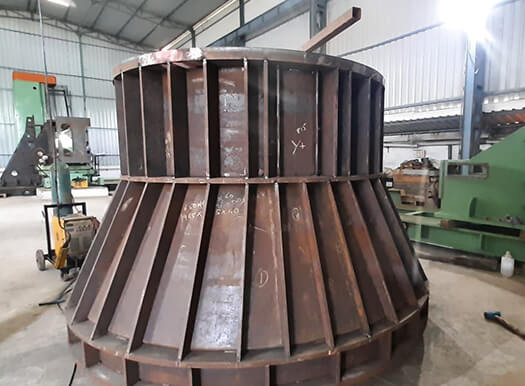
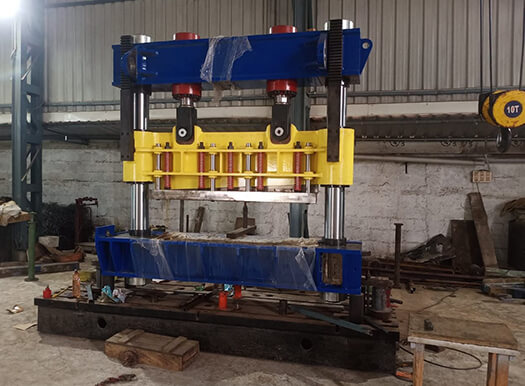
What are the Methods Using for Heavy Fabrication?
Burning and Cutting
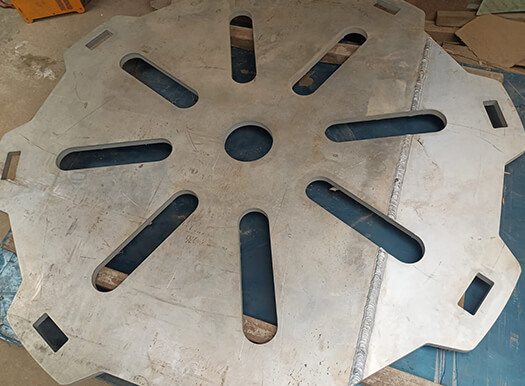
Raw materials are processed by burning and cutting tools, with shearing being the most popular technique. Unwanted material is removed through shearing, which involves cutting along the metal with two straight, long blades. Abrasive cutoff or chop saws, as well as band saws with hardened blades and feed systems to assure equal cuts, are frequently used for cutting. Using natural gas CNC cutting torches, plasma cutting, and laser cutting, burning is also utilized to cut pieces of material. Water jet cutting is one of the other CNC cutting techniques.
Forming
Without adding or removing material, a flat sheet of metal is forced into becoming a 3D part in this method. In the same way that machines can regulate the direction and intensity of force exerted, punches and dies may be used to control the forming. Aerospace, automotive, construction, and architecture are just a few of the industries that use machine-controlled shaping since it is so simple to repeat.
Machining
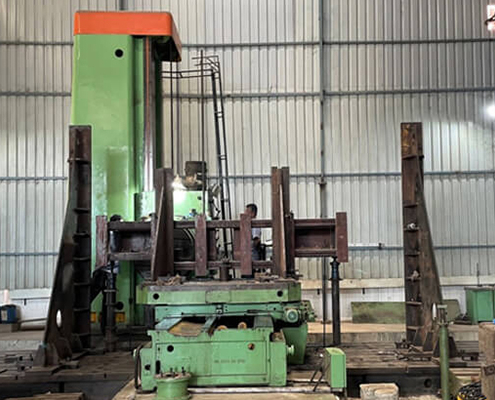
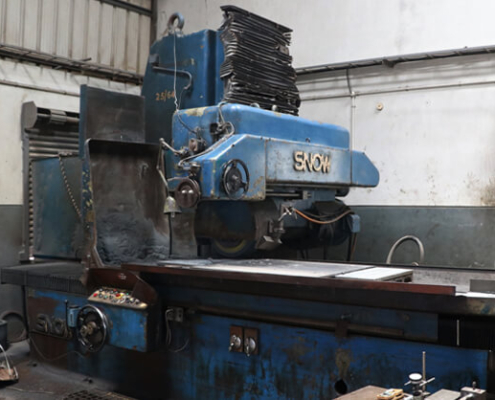
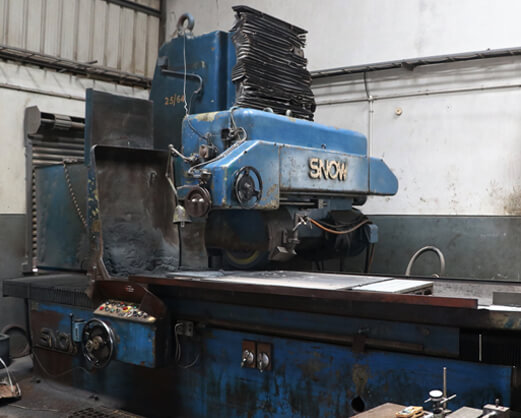
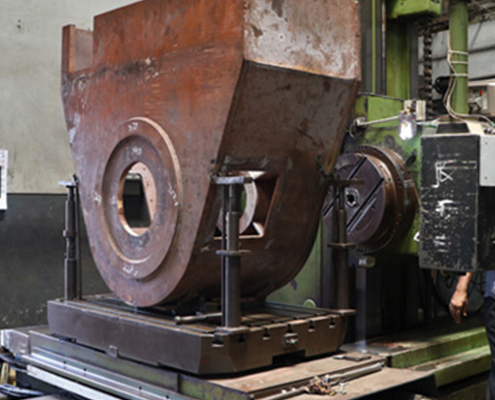
Machining, a different procedure widely employed in metal manufacture, entails removing material from a solid block in order to form it into the required shape. The majority of fabrication shops are equipped with lathes, mills, drills, and other machining tools. Machines are used to create solid objects like bolts, screws, and nuts.
Punching and Stamping
Metals can be punched by using a press to make holes in them. An item having fastening holes punched out or the metal pieces themselves, often known as blanks, are examples of finished products made by punching.
Welding
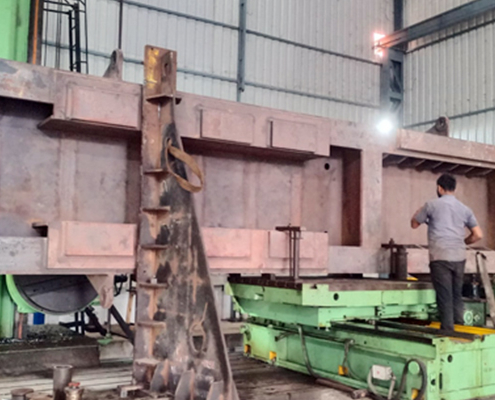
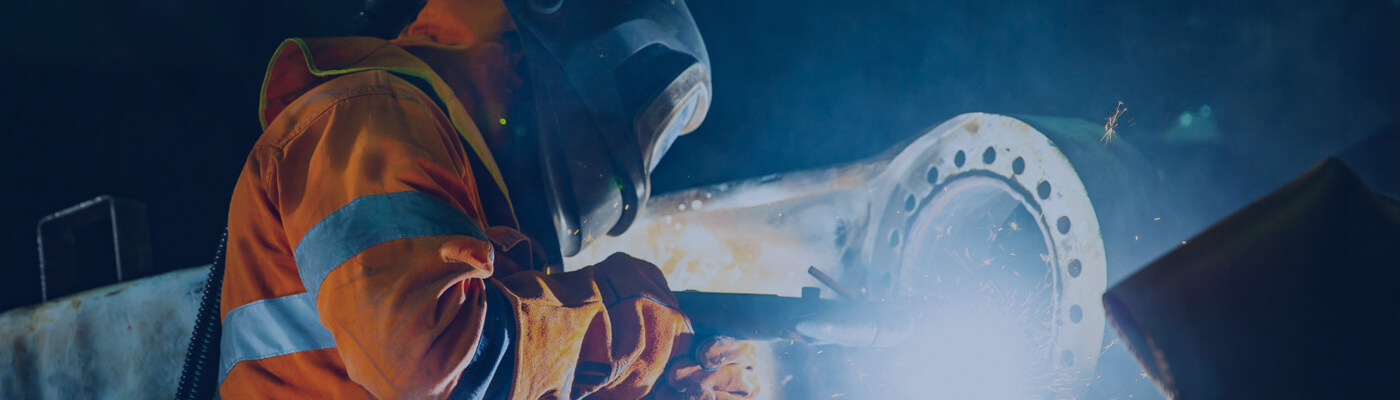
Welding is a common component of fabrication projects since it is the primary method utilized by steel fabricators. Welding will need to take into account the material and the desired finish, avoiding issues like warping or burn-through, whether it is combining formed and machined pieces based on engineering drawings or a highly trained welder employing experience to build a unique product.

 https://www.jkeng.in/wp-content/uploads/2022/07/Big-Size-Boring-Machine-in-Chennai.jpg
400
500
jkeng_login
https://www.jkeng.in/wp-content/uploads/2022/07/Jkengg-Logo.png
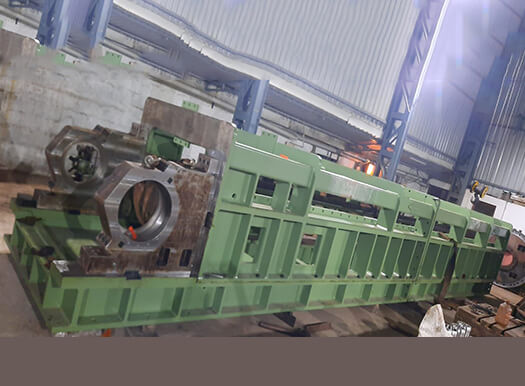
jkeng_login2022-07-29 10:58:302022-07-29 11:01:46Big Size Boring Machine in Chennai
https://www.jkeng.in/wp-content/uploads/2022/07/Big-Size-Boring-Machine-in-Chennai.jpg
400
500
jkeng_login
https://www.jkeng.in/wp-content/uploads/2022/07/Jkengg-Logo.png
jkeng_login2022-07-29 10:58:302022-07-29 11:01:46Big Size Boring Machine in Chennai