Types of Special Purpose Machinery Elements
Bearings
One of the most often used machine components in machine design is bearings. It is their responsibility to reduce friction between two moving elements. Without it, the mechanical design of rotating machines is lacking. The main goal of bearings is to avoid direct metal-to-metal contact between the two components and to allow for smooth relative motion.
Shafts
Shafts are typically CNC machined and customized for specific use. Long, cylindrical parts called shafts are used to transmit mechanical power and torque between two components. When the distance between drive train parts is too great for a direct connection or if they function in various conditions, designers utilize them.
Keys
Keys are inserted between the shaft and the rotating component with holes drilled into both of them to secure the key in place. The keyway refers to the opening in the hub. The key seat is the portion of the keyway at the bottom where the key rests within the shaft. A keyed joint is the name given to the entire assembly.
Couplings
In mechanical design, couplings are mechanical parts that join two rotating in-line shafts and serve primarily to convey power. The assembly rotates at the same speed as a whole. Depending on the situation, a connection may be rigid or flexible.
Gears
Basic machine components known as gears are used to transmit rotation and power between two shafts. Following the laws of energy conservation, they are able to change the angular velocity while also changing the torque. They function essentially as levers in a machine translation system.
Fasteners
Different kinds of fasteners are used in mechanical engineering applications to join two or more equipment components. When necessary, they can be disassembled to produce ad hoc joints. Under difficult circumstances, some machines function. Fasteners are primarily used to safeguard this equipment from high pressures, excessive stresses, and vibration.

 https://www.jkeng.in/wp-content/uploads/2022/07/Big-Size-Boring-Machine-in-Chennai.jpg
400
500
jkeng_login
https://www.jkeng.in/wp-content/uploads/2022/07/Jkengg-Logo.png
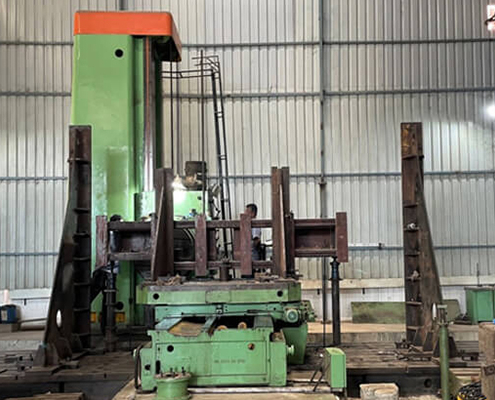
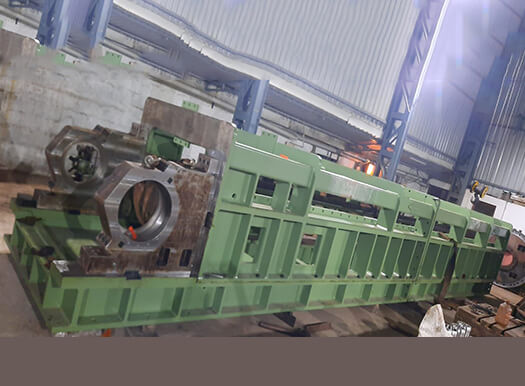
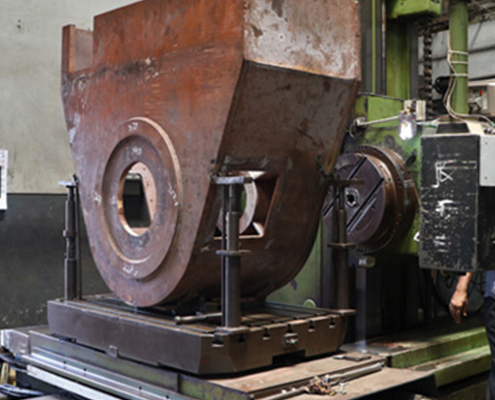
jkeng_login2022-07-29 10:58:302022-07-29 11:01:46Big Size Boring Machine in Chennai
https://www.jkeng.in/wp-content/uploads/2022/07/Big-Size-Boring-Machine-in-Chennai.jpg
400
500
jkeng_login
https://www.jkeng.in/wp-content/uploads/2022/07/Jkengg-Logo.png
jkeng_login2022-07-29 10:58:302022-07-29 11:01:46Big Size Boring Machine in Chennai